.png)
Categories
BothellPublished January 7, 2026
What Buyers and Sellers Need to Know About the Bothell, WA Housing Market in 2026

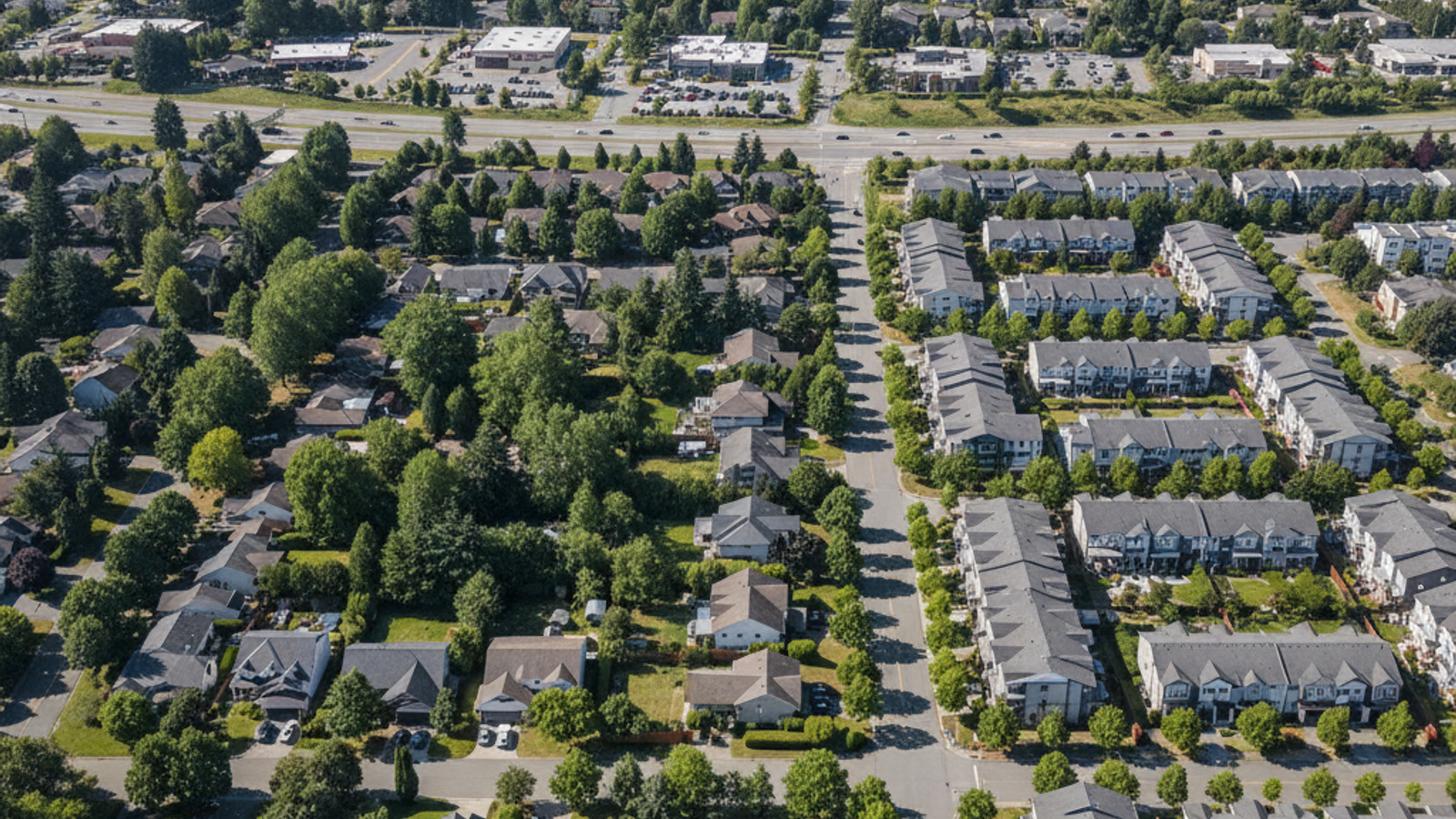
The median home price in the Bothell, WA housing market sits just over the $1,000,000 mark as of mid-2026. This suburban city straddles the line between King and Snohomish counties, offering a mix of established neighborhoods and newer developments. Buyers entering the area find a fast-paced environment where well-priced listings move quickly.
Proximity to major Eastside employment centers keeps demand steady year-round. Commuters appreciate the access to major highways, while local tech and biotech employers provide jobs right inside the city limits. Understanding local inventory levels and neighborhood zoning should be the first step for anyone planning a purchase this year.
Home Prices and Sales Trends
Buyers looking at single-family homes will find median sale prices ranging from $980,000 to $1,030,000. Many properties end up closing at or slightly above their initial list price. Year-over-year data shows steady appreciation across both the King and Snohomish county portions of the city.
Homes spend an average of 11 to 30 days on the market before going under contract. This brisk pace means buyers should have their financing approved before scheduling tours. Sellers who price their homes in line with recent comparable sales generally see multiple offers within the first two weeks.
The city currently holds about 1.5 to 2.5 months of housing supply. A balanced market typically has four to six months of inventory, meaning the Bothell, WA housing market leans toward favoring sellers. Buyers should monitor daily MLS updates to catch new listings as soon as they hit the market.
Housing Types and New Construction Options
Single-family homes make up the majority of the local housing supply, but townhouses and condominiums offer lower entry prices. Condos generally provide a lower price per square foot, though buyers should factor monthly HOA dues into their budgets. Townhouses remain a popular middle ground for buyers who want more space without the maintenance of a large yard.
New construction is concentrated in the northern sections of the city and along the SR 522 corridor. Builders are adding high-density townhouse communities and luxury single-family subdivisions to meet ongoing demand. Buyers interested in these developments should ask about builder warranties and specific closing costs, which can differ from resale transactions.
The local rental market also influences property availability. Investors frequently purchase smaller single-family homes and townhouses to hold as long-term rentals. This steady investor demand keeps the lower end of the pricing spectrum competitive.
Commuting Routes and Local Infrastructure
Most residents rely on I-405 and SR 522 to reach major employment hubs across the region. A morning commute to downtown Bellevue, WA generally takes 20 to 35 minutes, depending on traffic conditions. Reaching downtown Seattle, WA requires a 30-to-45-minute drive via SR 522 and I-5.
The city also hosts its own major employment center known as the Bothell Technology Corridor. This area houses numerous biotechnology, software, and medical device companies. Living near this corridor allows many residents to skip the highway commute entirely.
Public transit options include regional express buses that connect the downtown transit center directly to Seattle, WA and Bellevue, WA. Buyers who prefer public transit should focus their search near the downtown core or along the main arterial roads.
Northshore School District Boundaries
Public school students in the city attend the Northshore School District. This district covers a large geographic area, including parts of Woodinville, WA and Kenmore, WA. Buyers frequently use GreatSchools ratings to research specific campuses and compare educational resources.
School boundaries can change, so buyers should verify the assigned schools for any specific property address directly with the district. Some neighborhoods on the southern edge of the city overlap with the Lake Washington School District, which serves Kirkland, WA and Redmond, WA.
Homes located within the boundaries of top-rated high schools often command a premium on the resale market. Sellers in these specific zones should highlight their school assignments in their listing materials.
Parks, Trails, and Downtown Amenities
The Burke-Gilman Trail and the Sammamish River Trail intersect near the center of the city. These paved, multi-use paths provide miles of recreational space for cyclists and pedestrians. Access points to the Sammamish River Park offer open green spaces and kayak launch sites.
The downtown commercial district features a mix of historic buildings and modern mixed-use developments. Residents can walk to local coffee shops, breweries, and independent restaurants along Main Street. The city has invested millions in infrastructure improvements to make this area more pedestrian-friendly.
Proximity to these amenities directly impacts property values in the Bothell, WA housing market. Homes within walking distance of the downtown core or the trail system tend to sell faster than those in car-dependent subdivisions. Buyers prioritizing walkability should expect to pay a higher price per square foot.
Frequently Asked Questions
Is Bothell, WA currently a buyer's or seller's market?
With only 1.5 to 2.5 months of available inventory, Bothell, WA remains a seller's market in 2026. Buyers outnumber the available homes, which keeps prices stable and days on market low. A neutral market would require closer to five months of supply.
How do Bothell, WA home prices compare to Bellevue and Kirkland?
Homes in Bothell, WA generally cost less than those in neighboring Bellevue, WA and Kirkland, WA. While a single-family home here averages around $1,000,000, similar properties in Kirkland, WA often exceed $1,400,000. This price difference makes the city an attractive option for Eastside buyers seeking more square footage.
What is the average down payment for a house in Bothell, WA?
Most conventional buyers put down between 10% and 20%, which translates to $100,000 to $200,000 on a median-priced home. However, buyers using FHA or VA loans can secure properties with much lower initial out-of-pocket costs. Local lenders can help clarify which loan programs fit your specific financial situation.

Mindy Newton
| Greater Sound Team Real Estate | Real Broker LLC
or another way