.png)
Published January 14, 2026
The Real Cost of Living in Bothell: Understanding HOA Fees

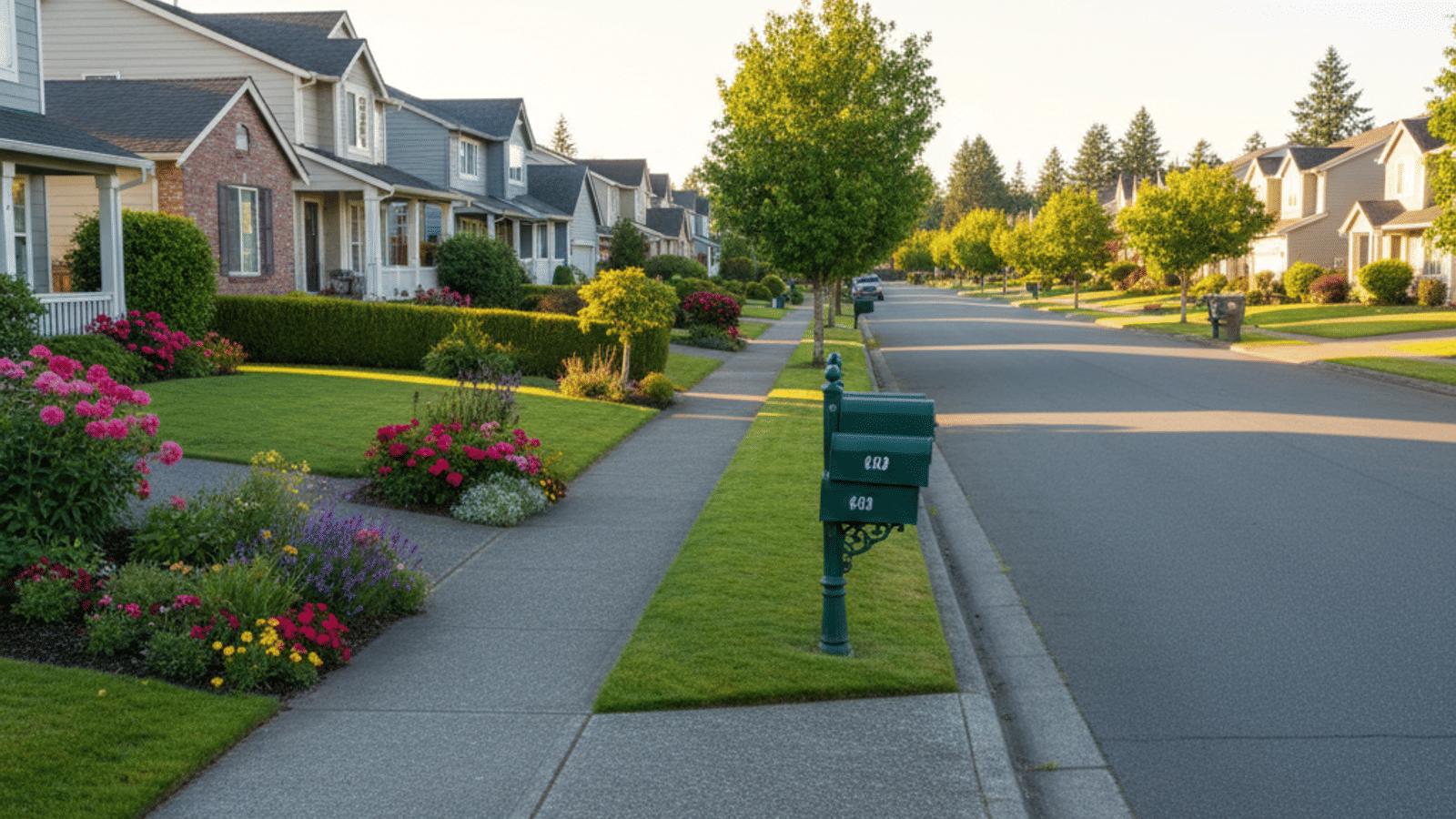
Bothell has become one of the most sought-after housing markets in the Pacific Northwest, perfectly bridging the gap between King and Snohomish counties. The Bothell housing market draws buyers in with its unique mix of revitalized downtown charm, tech-corridor access, and lush residential neighborhoods. However, when you are putting together your monthly budget, looking at the mortgage principal and interest is only half the battle.
HOA (Homeowners Association) fees are often the "hidden mortgage" that can significantly impact your loan qualification and monthly cash flow. In our area, these dues aren't just a minor line item; depending on where you buy, they can add anywhere from $200 to over $700 to your monthly housing expenses. Understanding exactly what you are paying for—and how Bothell compares to its neighbors—is critical before you fall in love with a listing.
Average HOA Fees in Bothell by Property Type
Fees in Bothell vary wildly, not just by neighborhood, but by the type of structure you are buying. With the average cost of a home in Bothell now hovering around $1,030,000, it is common for buyers to see a condo and a house at the same price point but realize the monthly payment is hundreds of dollars different because of the dues.
- Condominiums ($300 – $700+ per month): These generally carry the highest dues because the association maintains the entire building structure, roof, and complex systems like elevators or secure garages. Older buildings from the 1980s or 90s, like Braewood or Cedar Crest, often sit at the higher end of this range due to increased maintenance needs and the requirement for larger reserve funds.
- Townhomes ($150 – $400 per month): Sitting in the middle ground, these fees cover exterior maintenance and landscaping while you typically own the land beneath the unit. Fees remain lower than condos because there are no common interior hallways to climate-control or elevators to service.
- Single-Family Homes ($50 – $150 per month): These subdivisions offer the lowest fees because owners are responsible for their own roofs, siding, and yards. Dues primarily cover common area landscaping and mailbox clusters, though newer home developments in Bothell like Shelton Grove may charge more for the upkeep of private roads or trail systems.
What Do HOA Fees Usually Cover in Bothell?
When you see a high fee, it is easy to balk, but you have to look at what that money is actually buying you. For many homeowners, a higher HOA fee actually replaces other bills they would have to pay separately.
For condo buyers, the "inclusions" are a massive value factor. A significant portion of a condo fee often goes toward water, sewer, and garbage services. When you consider that the average rent in Bothell has reached approximately $2,310 (with many apartments trending closer to $2,900), a higher HOA fee can actually be a hedge against rising costs, as it often replaces several separate utility bills. In Washington, these utilities can easily run a homeowner $150 or more per month if paid separately.
Here is a quick look at where the money typically goes:
- Utilities: Water, sewer, and garbage (common in condos, rare in single-family homes).
- Common Area Maintenance: Landscaping, lobby cleaning, roof repairs, and elevator service.
- Amenities: Upkeep for pools, gyms, or clubhouses, which are popular in larger Canyon Park and North Creek communities.
- Reserves: A savings account for future big-ticket repairs.
It is vital to distinguish between property types here. If you buy a single-family home, do not assume the HOA will fix your fence or patch your roof. Those costs are almost always 100% on you, whereas in a condo, those are community expenses.
Bothell vs. Nearby Cities: How Do Fees Compare?
If you are cross-shopping Bothell with other Eastside or North End communities, you will notice distinct price trends. Bothell sits in a "moderate" sweet spot—generally more expensive than the outer exurbs but significantly more affordable than the core Eastside cities.
If you look south toward Kirkland or Bellevue, HOA fees are generally much higher. It is not uncommon to see condo dues there ranging from $600 to well over $1,000 per month. This premium pays for luxury amenities, concierge services, and the higher cost of land and labor in those zip codes.
Woodinville offers a similar fee structure to Bothell for townhomes and condos, though it has a unique market of equestrian and acreage properties that often have no HOA at all. Meanwhile, moving north toward Lake Stevens or Mill Creek, you might find fees that are slightly lower, though the gap is closing. Newer planned communities in those areas are offering more amenities, which drives their monthly dues up to match Bothell levels.
Washington State HOA Laws: What Buyers Must Know
Washington State has specific laws designed to protect homeowners and ensure transparency. Being aware of these regulations can save you from buying into a financial disaster.
- Washington Uniform Common Interest Ownership Act (WUCIOA): This is the most significant recent update to state law, applying to most communities created after July 1, 2018. It provides enhanced protections for buyers of newer construction by mandating stricter budget disclosures and establishing clearer rules for how associations must be managed.
- Reserve Studies: Regardless of a building's age, Washington law strongly encourages—and for condos, effectively requires—regular reserve studies. These involve a professional inspection every three years to estimate the remaining lifespan of major items like roofs or asphalt, ensuring the HOA calculates exactly how much savings are needed for future replacements.
- The Resale Certificate: This is the most critical document for any buyer, serving as the community’s financial "report card." It provides essential transparency by revealing the association’s current bank balance, whether any owners are behind on their dues, and if there is any active or pending litigation against the HOA.
Tips for Evaluating an HOA Before You Buy
You don't need to be an accountant to spot a risky HOA. You just need to know where to look in the documents.
- Check the "Funded Ratio": Look at the Reserve Study. Is the reserve fund at least 70% funded? That is generally considered healthy. If it is under 30%, the association is at high risk of needing a "Special Assessment"—a surprise bill charged to owners to cover a shortfall.
- Read the Meeting Minutes: Don't just skim the budget. Read the minutes from the last 6–12 months of board meetings. This is where you find the drama. Are they discussing a leaky roof that they can't afford to fix? Are they arguing about raising dues significantly? This is your glimpse into the community's future.
- Look for Rental Caps: Many HOAs in Bothell limit the number of units that can be rented out at any one time. If the cap is reached, you may be unable to rent out your unit if you need to move but want to keep the property. This can affect both your exit strategy and the property's resale value.
FAQs
Are HOA fees included in the mortgage qualification?
Yes. Lenders view HOA fees as a recurring monthly debt, just like a car payment or credit card bill. When calculating your Debt-to-Income (DTI) ratio, the lender adds the HOA dues to your principal, interest, taxes, and insurance. A high HOA fee can reduce the loan amount you qualify for.
Can HOA fees in Bothell increase without a vote?
Yes. In Washington, the board of directors creates the budget and sets the dues. While the homeowners usually have to "ratify" the budget, the board can often increase dues by a certain percentage to meet operating costs without a full affirmative vote from the owners. It is rare for dues to stay flat forever; you should budget for small annual increases.
Do HOA fees cover property taxes in Bothell?
No. Your HOA dues are completely separate from your property taxes. Property taxes are paid to King County or Snohomish County (depending on which side of the county line you are on) to fund schools, fire districts, and local services. You will be billed for both.
What happens if I don't pay my HOA dues?
Washington law gives HOAs significant power to collect unpaid dues. If you fall behind, the association can place a lien on your property, which clouds your title and prevents you from selling or refinancing. In severe cases of non-payment, the HOA has the right to foreclose on the home to recover the debt.


