.png)
Categories
BothellPublished April 22, 2026
Navigating the Weather and Climate in Bothell WA: A 2026 Real Estate Guide

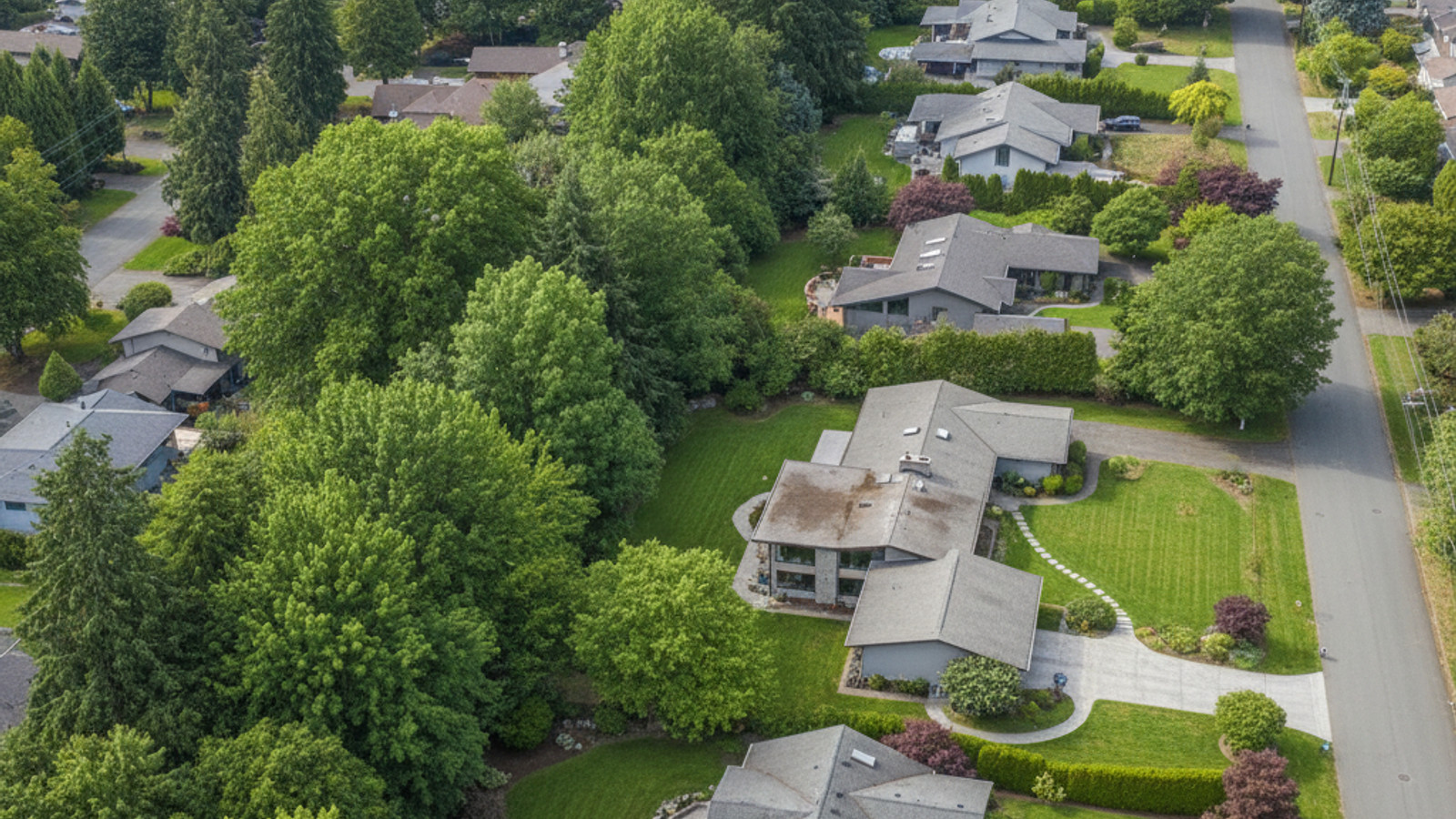
Relocating to the Pacific Northwest requires a clear understanding of the local environment, and Bothell is no exception. Buyers looking at properties in King and Snohomish Counties often wonder how the seasonal changes will affect their daily routines. The reality is that the local climate dictates everything from when sellers list their homes to how buyers evaluate exterior maintenance.
Knowing what to expect from the skies above helps you make informed decisions about property features and commute times. Whether you are evaluating a mid-century home near downtown or a newer build near North Creek, the environment plays a central role in property longevity. Understanding the weather and climate in Bothell WA gives you a distinct advantage in the 2026 housing market.
Understanding the Weather and Climate in Bothell WA
Bothell experiences a classic maritime climate heavily influenced by the Pacific Ocean and Puget Sound. This geographic positioning creates a distinct two-season pattern characterized by dry, warm summers and extended periods of heavy cloud cover and rainy winter days. Homeowners quickly learn that the moderate temperatures make outdoor living highly accessible for most of the year.
The temperature swings here are relatively mild compared to other regions of the country. Average summer highs typically peak around 76°F in August, providing incredibly comfortable conditions without the oppressive humidity found elsewhere. Conversely, winter lows dip to about 35°F in December and January, meaning deep freezes are infrequent but still require basic home winterization.
The most crucial takeaway for any buyer is that this temperate environment is incredibly gentle on building materials. Properties here generally avoid the rapid expansion and contraction damage seen in regions with severe heat or deep freezes.
Seasonal Rainfall, Snow, and Sunshine
The region receives an average of 42 inches of rain annually, spread across roughly 160 days of measurable precipitation. The heaviest rainfall is heavily concentrated between November and January. While the rain is frequent, severe weather events like heavy thunderstorms or destructive winds remain notably rare according to National Weather Service data.
Checking the 10-day weather forecast becomes a daily habit for residents during the transitional months of October and April. Watching the local reports or checking The Weather Channel helps homeowners plan for brief windows of dry weather. These short breaks in the rain are the perfect time to clear fallen leaves from driveways and walkways.
Snowfall is minimal, averaging just about 4 inches per year, though it can occasionally disrupt local transit when it does stick. By contrast, July and August serve as the peak months for sunshine and clear skies. These long, dry summer days offer the perfect window for scheduling major exterior home projects like roof replacements or exterior painting.
How Local Weather Patterns Impact Home Maintenance
Owning a home in this damp environment requires a proactive approach to exterior maintenance. The persistent moisture from late autumn through early spring creates ideal conditions for moss growth on roofs and siding. Regular roof clearing is an absolute necessity in King and Snohomish Counties to prevent shingles from degrading prematurely.
Proper drainage systems are equally critical for protecting your real estate investment. Clear, fully functional gutters are vital for directing heavy winter rain away from the home's siding and foundation. Failing to maintain these systems can lead to water pooling near the base of the house, which often causes costly foundational issues over time.
Moisture control extends beneath the home as well, particularly in crawl spaces and attics. Ensuring proper ventilation in these areas prevents condensation buildup and mitigates the risk of mold during the wettest months. Smart homeowners tackle these maintenance tasks in early fall, completing all necessary preparations before the heavy November rains begin.
Exterior paint requires regular assessment to ensure it continues to repel water effectively. Wood siding and exposed trim are particularly vulnerable to rot if the protective paint layer begins to peel or crack. Repainting the exterior every seven to ten years is a standard requirement for preserving the structural integrity of the home.
Buyers should view a recently cleared roof and a dry crawl space as two highly valuable features of any Bothell property. Homes that showcase diligent moisture management always command a premium during inspections.
Enjoying Bothell's Outdoor Amenities Year-Round
The local climate rarely stops residents from utilizing the extensive network of parks and trails. The city has invested heavily in recreational infrastructure designed specifically to withstand the damp Pacific Northwest winters. Paved pathways and covered structures ensure that outdoor activities remain accessible even during the rainiest weeks of the year.
Proximity to these well-maintained outdoor spaces is a major selling point for properties throughout the city. Buyers frequently prioritize homes with easy access to the regional trail systems that connect Bothell to Redmond, Woodinville, and Seattle. Navigating these spaces reveals how well the city integrates its natural environment with year-round usability.
Several key locations highlight the city's weather-resilient outdoor amenities. These spaces demonstrate the value of paved and covered infrastructure:
- The Burke-Gilman Trail serves as a fully paved, reliable corridor for walking and cycling that remains clear of mud even after heavy rains.
- The Sammamish River Trail offers excellent seasonal scenery and provides a continuous, paved route connecting local neighborhoods to major regional parks.
- Blyth Park features dense tree canopies and covered picnic areas that provide substantial shelter during classic Pacific Northwest drizzle.
Properties located within a half-mile of these paved trail systems retain their value exceptionally well. Year-round trail access remains a non-negotiable feature for many local buyers.
The Seasonality of the Bothell WA Real Estate Market
Weather directly dictates the rhythm of the local housing market, influencing everything from inventory levels to buyer competition. Spring and early summer weather consistently brings a surge in new listings as properties show best under clear skies. This period also sees the highest concentration of buyer activity, leading to faster sales and multiple-offer scenarios.
Sellers who list during the sunny summer months benefit from optimal curb appeal and generally smoother home inspections. Dry weather allows inspectors to evaluate roofs and foundations without the complications of active rain. As of early 2026, the median home price in Bothell sits around $775,000, and summer listings at this price point tend to move rapidly.
Real estate investors also pay close attention to the seasonal shifts when planning property renovations. Scheduling exterior painting or concrete pouring requires carefully monitoring the forecast to avoid unexpected precipitation. Completing these upgrades during the reliable summer dry spell ensures the best possible return on investment.
The winter market operates at a different pace, characterized by lower inventory but highly motivated participants. Buyers who brave the dark, rainy months often face less competition and negotiate from a stronger position. Furthermore, touring homes in the winter provides a highly realistic look at a property's moisture control and drainage capabilities.
Shopping for a home in January or February is the ultimate stress test for a Pacific Northwest property. If a house feels dry, bright, and well-drained during a winter downpour, it is structurally prepared for anything.
Winter Commute Conditions: Navigating I-405 and SR 522
Commuting from Bothell to major employment hubs in Bellevue, Redmond, and Seattle requires strategic planning during the winter months. The combination of active rain, road glare, and significantly reduced daylight naturally slows traffic on major regional arteries. Drivers must account for these environmental factors when calculating their daily travel times from November through February.
The intersection of winter weather and major infrastructure projects has temporarily complicated regional travel. In early 2026, ongoing Washington state Department of Transportation expansion projects on the I-405 and SR 522 interchange are causing notable detours. Weekend closures and lane shifts associated with this construction create severe regional delays when paired with heavy rain.
Buyers evaluating commute times should test their driving routes during typical winter conditions rather than relying on summer traffic data. Proximity to transit centers or express toll lanes can significantly mitigate the frustration of a rainy, congested commute. Utilizing these resources helps maintain a predictable schedule despite the weather.
Purchasing a home on the side of Bothell that aligns with your primary commute direction is highly recommended. This strategy is the single best way to preserve your time during the current winter construction season.
Frequently Asked Questions About Bothell Weather
Does it snow in Bothell, Washington?
Snowfall in the city is relatively minimal, averaging only about 4 inches per year. While the nearby mountain passes receive heavy snow, the local maritime climate keeps the city mostly clear. When snow does accumulate on local roads, it typically melts within a few days.
Does it rain a lot in Bothell, Washington?
The area receives approximately 42 inches of rain annually, which is spread out over 160 days of the year. This precipitation primarily falls as a steady, light drizzle between November and January. Heavy downpours and severe thunderstorms are highly uncommon in this region.
Is Bothell, Washington in a flood area?
The vast majority of the city sits on higher ground and is not classified as a high-risk flood zone. However, specific topographical areas immediately adjacent to the Sammamish River do carry localized flood risks during periods of heavy winter rain. Buyers should always verify the FEMA flood maps for individual parcels located near regional waterways.

Mindy Newton
| Greater Sound Team Real Estate | Real Broker LLC
or another way