.png)
Categories
BothellPublished February 7, 2026
From Squak Slough to Tech Hub: The Story of Bothell

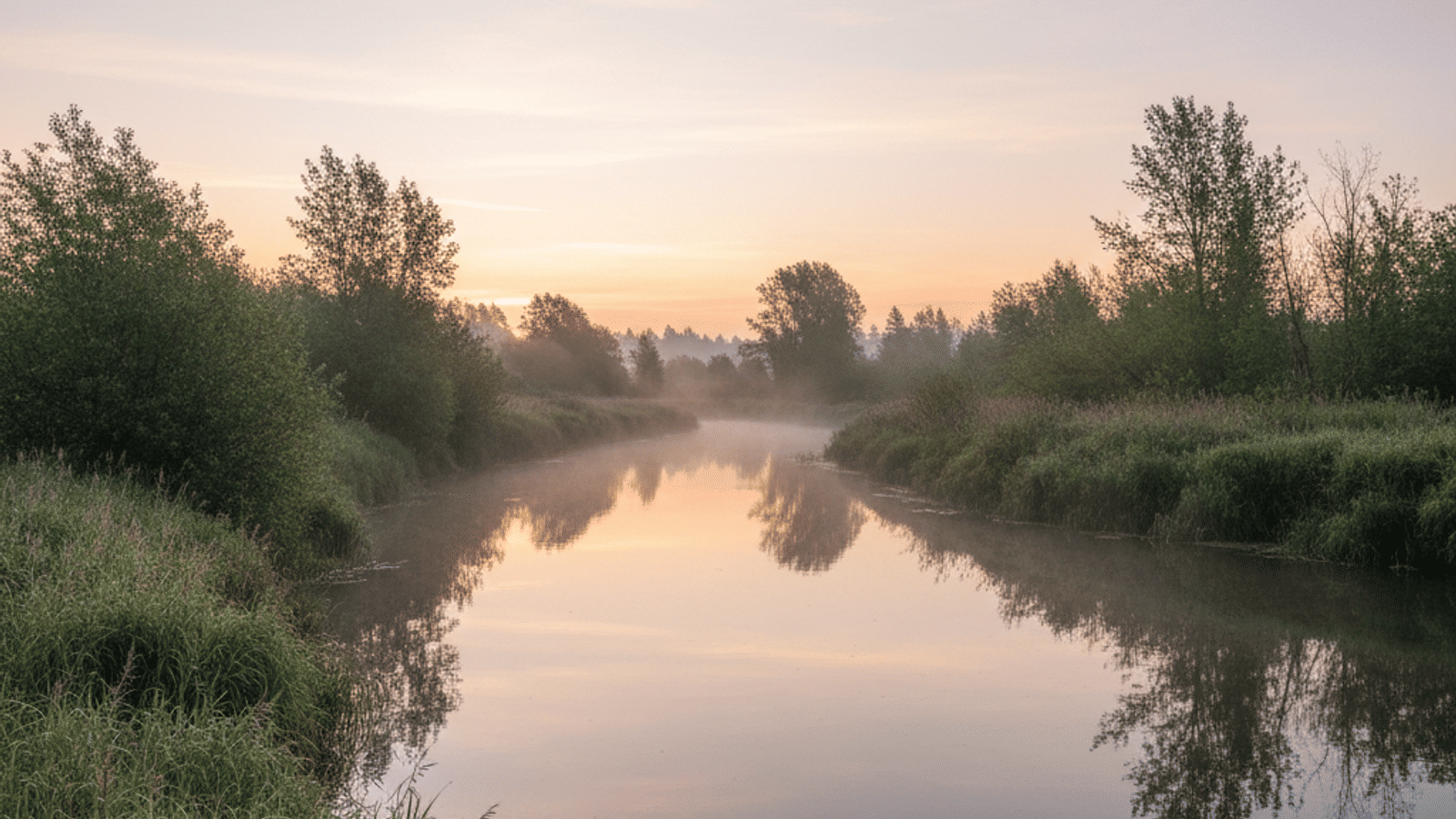
If you drive through downtown Bothell today, you see a vibrant mix of new apartments, bustling biotech workers, and a revitalized Main Street that feels incredibly alive. But if you strip away the modern pavement and the tech parks, you’re left with a story that starts with a river.
Bothell didn't start as a suburb; it began as a rugged logging camp dependent on the water. For anyone thinking about living in Bothell, understanding this history gives you a much deeper appreciation for the city. It explains why the streets twist the way they do, why the older homes have so much character, and how a small shingle-town grew into a bridge between King and Snohomish counties.
Let’s take a walk through time, from the days of cedar giants to the thriving city we see in early 2026.
The First Inhabitants: The Willow People
Long before surveyors or loggers arrived, the Sammamish River Valley was home to the s-tsah-PAHBSH, known as the "Willow People." They were a band of the Coast Salish peoples who lived in harmony with the river, which was then known as Squak Slough.
The river wasn't just scenery; it was a grocery store and a highway. The Willow People built cedar longhouses along the banks and used the waterway to travel, fish for salmon, and gather wapato (a type of potato-like tuber) from the marshlands. Their lifestyle was deeply connected to the seasonal rhythms of the water and the land.
This way of life changed dramatically after the Treaty of Point Elliott in 1855, which led to the displacement of many Indigenous people in the region. However, the legacy of the Willow People remains the foundation of the area’s history, reminding us that this land has been a cherished place to live for centuries.
Logging Camps and Early Settlers (1870–1900)
By the 1870s, new faces began arriving, drawn by the massive red cedars covering the valley. Columbus Greenleaf and George Wilson were among the first homesteaders to put down roots here around 1870, seeing potential in the dense forests.
But it was George Brackett who really turned the area into a commercial hub when he started logging operations in 1876. Brackett floated logs down the river to Seattle, proving that the waterway could be profitable.
Enter David Bothell. Arriving from Pennsylvania in 1885, he bought land from Brackett and built the area's first hotel. While David was the pioneer who established the family name in the region, the town itself was eventually named after the family to honor their contributions. During this era, the river was clogged with steamboats transporting cedar shingles to the growing city of Seattle, cementing Bothell’s place on the map as a vital industrial outpost.
Incorporation, Fire, and Bricks (1900–1920)
As the community grew, it needed structure. Bothell officially incorporated on April 14, 1909. In a fitting passing of the torch, David Bothell’s son, George Bothell, stepped up to serve as the city’s first mayor.
However, early infrastructure had a major enemy: fire. On Easter Sunday in 1911, a massive blaze tore through Main Street, destroying ten businesses. It was a devastating blow, but it changed the face of the city forever. The wooden structures were replaced with fire-resistant brick, giving downtown the distinctive look that many residents still love today.
Just a couple of years later, in 1913, the "Red Brick Road" (part of the Pacific Highway) was paved, finally offering a reliable land route to Seattle. This was a game-changer, especially since the lowering of Lake Washington in 1917—caused by the opening of the Montlake Cut—dried up the slough and effectively ended the steamboat era. Bothell was no longer a river town; it was becoming a road town.
From Agriculture to Suburbia (1920s–1980s)
Once the massive cedar trees were logged off and the lake levels dropped, the North Creek Valley revealed rich, fertile soil. For the next few decades, Bothell shifted gears from timber to tractors. Agriculture took over, and the area became known for farming and ranching.
The next massive shift happened after World War II. As veterans returned and the economy boomed, those quiet pastures began transforming into the Bothell real estate market we recognize today. The demand for housing turned farm tracts into neighborhoods.
The real tipping point, however, was the completion of Interstate 405. Suddenly, Bothell wasn't just a distant farming community; it was a commuter-friendly suburb. The population exploded, growing from about 1,000 people in 1950 to over 25,000 by the turn of the millennium.
Annexations expanded the city's footprint, creating a sprawling mix of residential zones that attracted buyers looking for more space than Seattle could offer.
A Modern Renaissance: Education and Technology
In the last thirty years, Bothell reinvented itself again. The 1990s and 2000s saw the arrival of the University of Washington Bothell and Cascadia College. This co-located campus brought a new energy to the city, shifting the local focus toward education and innovation.
Simultaneously, the Canyon Park area blossomed into a major technology and biotech corridor. This brought high-paying jobs and increased demand for homes for sale in Bothell, as workers wanted short commutes to the new business parks.
The downtown area has also seen a massive resurgence, specifically following another tragic fire in 2016. That blaze destroyed the historic Mercantile Building and the Bothell Mall, but the community rallied. The rebuilding efforts spurred a downtown revitalization that has brought mixed-use buildings, new retail, and a pedestrian-friendly vibe that blends the old brick charm with modern convenience.
Preserving History: Landmarks You Can Visit
One of the best things about living in Bothell is that you don't have to look hard to find history; it's woven into the landscape.
- The Park at Bothell Landing: This is more than just a park. It serves as an open-air museum featuring the First Schoolhouse and the Hannan House, both moved here for preservation.
- McMenamins Anderson School: Perhaps the most famous example of adaptive reuse in the area. Built as a junior high in 1931, it was converted in 2015 into a destination hotel, dining, and movie theater complex. You can literally drink a pint in the principal’s office.
- Red Brick Road Park: A preserved section of the original 1913 highway. It’s a great spot to walk and imagine what travel was like in the Model T era.
- Bothell Pioneer Cemetery: For those who enjoy genealogy, this is the final resting place of many original settlers, including members of the Bothell family.
How History Shapes Bothell Real Estate Today
So, what does all this history mean for you if you are looking to buy a home?
It means Bothell has a "soul" that many master-planned communities lack. The historic downtown offers a level of walkability and charm that is rare in the suburbs. You can grab coffee in a building that survived the 1911 fire before walking to a state-of-the-art library.
The different eras of development also mean you have diverse housing options. You can find mid-century ramblers on large lots in neighborhoods that used to be farms, or you can find sleek, modern townhomes near the Tech Corridor. The blend of the "old" Main Street vibe with the "new" economic drivers like biotech makes Bothell neighborhoods highly desirable for a wide range of buyers.
Frequently Asked Questions About Bothell History
When was Bothell, WA founded?
Bothell was officially incorporated as a city on April 14, 1909. However, settlers had been living in the area and operating logging camps since the 1870s.
Who is Bothell named after?
The city is named after David Bothell, one of the early pioneers who arrived in 1885 and bought land to build the town’s first hotel. His son, George Bothell, went on to become the very first mayor after incorporation.
What is the history of the McMenamins in Bothell?
The McMenamins Anderson School building was originally the Bothell Junior High, built in 1931. It served as a school for decades before being renovated and reopened in 2015 as a hotel, brewery, and community hub.
Did Bothell have a major fire?
Yes, Bothell has endured two significant fires that shaped its history. The Great Fire of 1911 destroyed much of Main Street, leading to the brick buildings we see today, while a 2016 fire destroyed the Mercantile Building and sparked a major downtown revitalization effort.
What Native American tribes lived in Bothell?
The area was originally inhabited by the s-tsah-PAHBSH, or "Willow People," a band of the Coast Salish. They lived along the Sammamish River (then Squak Slough) and relied on the water for transportation and food prior to European settlement.
|


or another way