.png)
Categories
BothellPublished February 14, 2026
Navigating the Market: A 2026 Guide to Getting Around Bothell WA

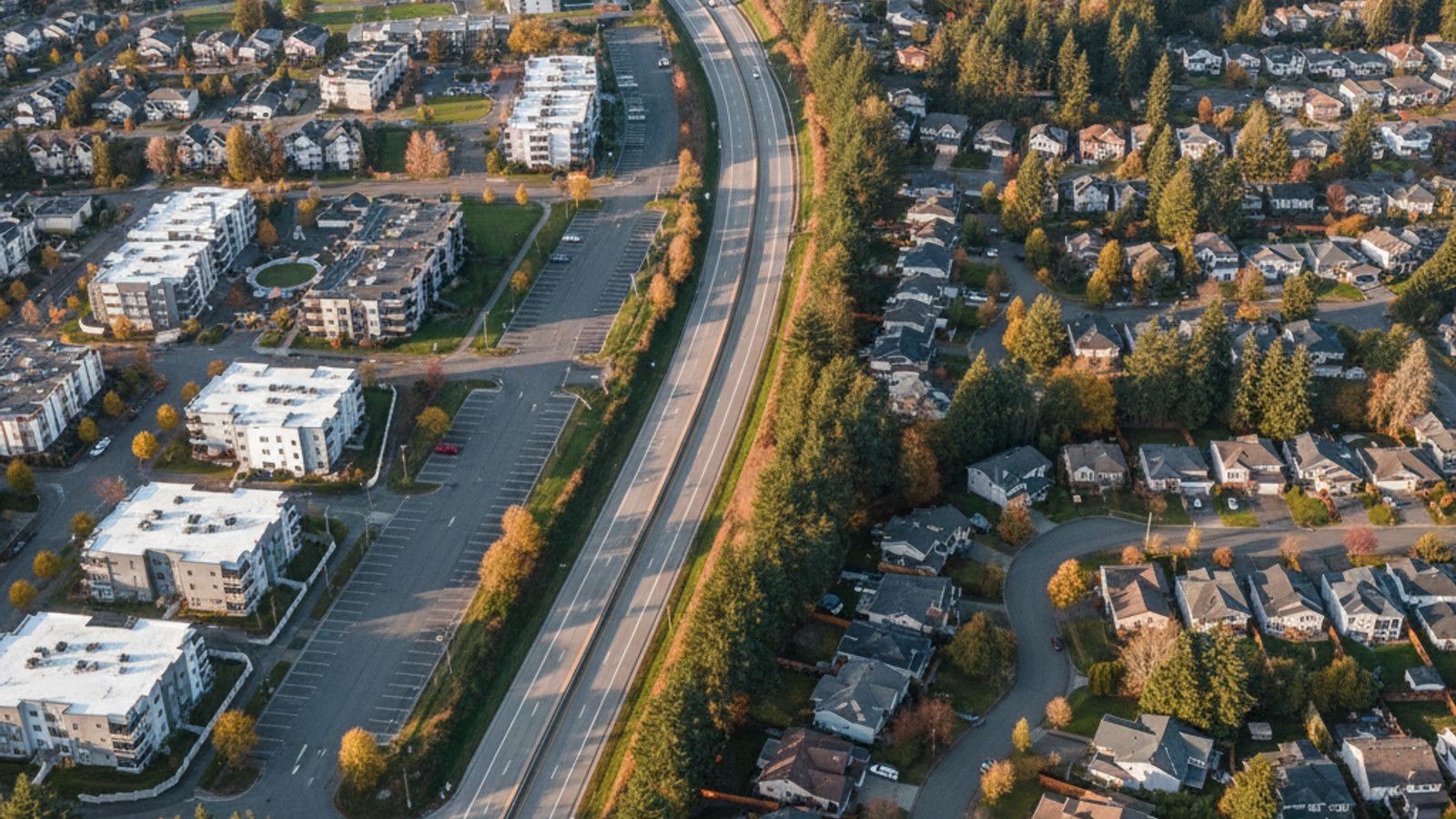
When evaluating a move to the Pacific Northwest, understanding the local transportation network is just as important as the home itself. Bothell sits at a strategic crossroads bridging King and Snohomish counties, offering multiple routes to major employment hubs across the region. Buyers navigating the 2026 market consistently prioritize locations that balance residential space with highly efficient commute options.
The city features a robust mix of interstate access, expanding public transit, and extensive regional trail systems. Whether you rely on daily highway travel or prefer active commuting along paved paths, the infrastructure here caters to diverse transit needs.
Navigating local traffic patterns requires a solid understanding of both current road conditions and upcoming transit developments. Because the area has grown so rapidly, the difference of just a few miles can completely change how you get to work. This guide breaks down exactly what new residents need to know about getting around the city.
Driving in Bothell: Major Highways and Commute Times
Most residents rely on the local highway system for their daily travel to regional commercial centers. Interstate 405 serves as the primary north-south artery, while Washington State Route 522 provides critical westbound access toward Seattle.
Under optimal conditions with no traffic, reaching downtown Seattle or Bellevue takes approximately 20 to 25 minutes. However, buyers should plan for significant shifts in these travel times during peak rush hour. Morning and evening congestion routinely expands these commutes to 45 to 60 minutes or more on any given weekday.
To navigate these heavy traffic volumes, many drivers utilize the toll lanes on Interstate 405. These variable-rate express lanes offer a more predictable travel time during peak congestion, though they add to the daily cost of commuting. Washington State Route 527 also experiences heavy volume, as it cuts directly through the city to connect the Canyon Park business district to the downtown core.
Buyers should absolutely test their anticipated commute routes during rush hour before committing to a specific property. Relying solely on midday GPS estimates can lead to frustrating surprises after move-in day. Understanding the reality of local highway congestion is essential for setting accurate daily schedule expectations.
Public Transit Infrastructure: Buses and Light Rail
For those looking to minimize their time behind the wheel, the local area provides an extensive and growing public transportation network. Bus service is collaboratively managed by King County Metro, Community Transit, and Sound Transit to ensure broad coverage. These agencies operate numerous routes that connect residential neighborhoods directly to major commercial centers and neighboring cities.
Commuter hubs play a vital role in the local transit ecosystem by allowing residents to park locally and ride regionally. The Bothell Park and Ride is a central fixture, providing 220 parking spaces for daily commuters. Because these spots fill up quickly on weekday mornings, arriving early is highly recommended for regular riders.
Additionally, the Canyon Park Park and Ride serves as an excellent alternative hub for both northbound and southbound transit routes. This facility offers broader capacity and frequent departures for those working in the tech corridors. Having multiple park-and-ride options provides excellent flexibility for residents who prefer to leave their cars behind.
Recent infrastructure upgrades have significantly enhanced regional connectivity for local residents. Commuters can now seamlessly connect to the Link light rail network via the Lynnwood City Center station, which officially opened in late 2024. This connection provides a highly predictable, traffic-free route directly into the heart of Seattle and the University District.
The Future of Regional Transit: Stride S3 Line
Transportation options in the area are continuing to evolve with the development of the Stride S3 bus rapid transit line. This ambitious project officially broke ground in early 2026 and is currently scheduled to open for service in 2028.
Once operational, the Stride S3 Line will provide high-frequency service along Washington State Route 522 from Bothell to Shoreline. This route will further streamline connections to the Link light rail network, drastically reducing transfer times for daily commuters. Buyers purchasing homes near these upcoming transit stops can anticipate strong long-term connectivity and potential property value benefits.
Active Transportation: Bike Trails and Walkability
Active transportation is a major draw for buyers looking to incorporate outdoor recreation into their daily routines. The Burke-Gilman Trail offers a fully paved, direct route for cycling and walking that extends all the way toward Seattle. This extensive path is heavily utilized by both weekend recreational riders and dedicated daily bicycle commuters avoiding highway traffic.
Connecting directly to this network is the Sammamish River Trail, which provides excellent connectivity toward Woodinville and Redmond. Together, these trails form a continuous, car-free corridor that links multiple cities and major employment campuses.
Beyond the trail system, the walkability of Downtown Bothell has transformed significantly over recent years. The central core provides immediate pedestrian access to local restaurants, retail centers, and the University of Washington Bothell campus. The city has invested heavily in wide sidewalks and pedestrian-friendly crosswalks to encourage foot traffic in the commercial district.
Buyers prioritizing car-free local errands should focus their property search strictly within a 0.5-mile radius of Main Street. This specific zone offers the highest concentration of accessible amenities without requiring a vehicle. Living just outside this radius typically means relying on a car for basic grocery runs and evening dining.
Housing Proximity to Transit Corridors and Commercial Centers
The type of property you purchase often dictates your daily transportation experience in this region. High-density housing options, including modern condos and townhomes, are heavily concentrated near the Canyon Park business district and Downtown Bothell. These properties offer unparalleled access to transit hubs, making them highly attractive for buyers seeking a streamlined commute.
Conversely, the single-family neighborhoods situated further from the urban core rely much more heavily on personal vehicles. Residents in these quieter subdivisions typically drive to local park-and-ride facilities or commute directly via the major highways. While these homes offer larger lots and more square footage, they do require a longer daily travel commitment.
Buyers must carefully map their specific daily transit needs against any potential property before making an offer. Finding a home with close proximity to Washington State Route 522 or Interstate 405 can drastically reduce daily commute friction. Even being located on the correct side of a major intersection can save valuable time during the morning rush.
Ultimately, immediate access to major transit hubs and commercial corridors directly supports property values and future resale potential. Homes that offer multiple commuting options appeal to a much broader pool of future buyers. Striking the right balance between property size and transit access is the key to a successful real estate investment here.
Frequently Asked Questions About Getting Around Bothell
How long is the commute from Bothell to Seattle?
Without traffic, driving to Seattle takes an estimated 20 to 25 minutes via Interstate 405 or Washington State Route 522. During peak morning and evening rush hours, commuters should expect travel times to expand to 45 to 60 minutes or more. Utilizing local park-and-ride facilities to connect with the Link light rail can provide a more predictable timeline.
Does Bothell, Washington have public transportation?
Yes, the city is served by a comprehensive network operated by King County Metro, Community Transit, and Sound Transit. Residents have access to extensive bus routes, multiple park-and-ride facilities, and fast connections to the Link light rail system. The upcoming Stride S3 bus rapid transit line will further enhance these services when it opens in 2028.
Can you live in Bothell without a car?
Living entirely without a car is highly achievable if you purchase a home near the downtown core. Properties within a 0.5-mile radius of Main Street offer excellent walkability to grocery stores, dining, and major bus routes. Residents living in the more suburban single-family neighborhoods will generally find a personal vehicle necessary for daily errands.

Mindy Newton
| Greater Sound Team Real Estate | Real Broker LLC
or another way